How Lifestyle Habits Affect Spine Health

When patients visit a spine specialist, the conversation often revolves around imaging results or surgical options. However, a surgeon’s intervention is only one part of the equation. The spine is a living, mechanical system that reacts to every hour of your day. To achieve long term relief, you must look at the lifestyle habits that either support or degrade your spinal integrity.
Desk Job and Low Back Pain: How Posture, Ergonomics, and Simple Exercises Can Help

If you have noticed that your back feels stiffer than it used to, or that long walks, yardwork, or even If you sit for work, you’ve probably felt it at some point: that tight, achy, discomfort after hours at a desk. Low back pain is one of the most common complaints I hear from people who spend their days in front of a computer. The frustrating part is that many patients assume the pain must mean something is “wrong” structurally, when in reality it often starts with a few everyday habits that quietly add up over time.
Spine Health in Aging Adults: How Your Spine Changes After 50
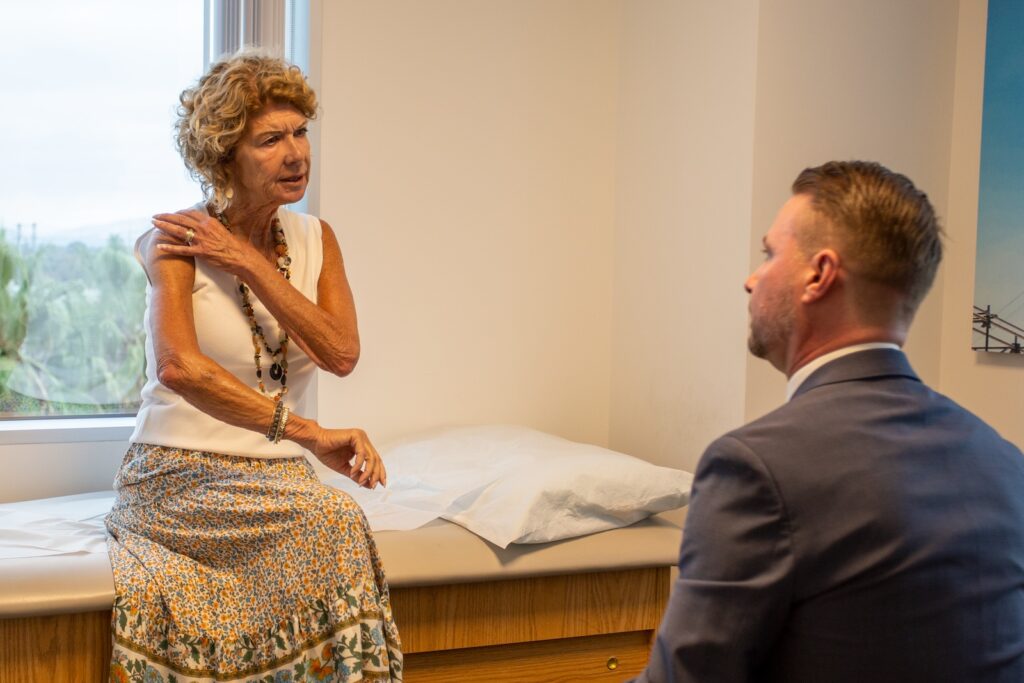
If you have noticed that your back feels stiffer than it used to, or that long walks, yardwork, or even sitting too long now comes with a “price,” you are not alone. After 50, the spine naturally changes in ways that can affect flexibility, shock absorption, posture, and even how your nerves tolerate everyday movement. Some of these shifts are simply part of aging. Others are early signs of conditions that respond best when addressed sooner rather than later.
Traveling, Flying, and Your Spine

Travel can be one of the best parts of life. Family vacations, long-awaited getaways, or important business trips all create memories and momentum. At the same time, the process of getting from point A to point B is not always friendly to your spine. Long security lines, cramped seats, heavy bags, and hours of sitting can leave even a healthy back feeling stiff and sore.
What to Expect After Surgery to Correct Spinal Stenosis

Spinal stenosis surgery is often performed to relieve pressure on the spinal cord or nerves, helping to reduce pain and restore function. While the procedure can bring significant relief, recovery takes time and proper care. Understanding what to expect after surgery helps patients feel more confident and better prepared for the healing process. As a fellowship-trained orthopaedic spine surgeon, Dr. Jeremy Smith provides comprehensive care and guidance for every stage of spinal stenosis recovery, from the hospital stay to the return of full mobility.
How to Prepare for Spine Surgery Recovery

Preparing for spine surgery is more than just the day of the procedure—it’s about planning ahead for a smooth, successful recovery. From preparing your home and body to understanding pain management and physical therapy, taking the right steps can reduce complications and help you heal faster. As a board-certified orthopaedic spine surgeon, Dr. Jeremy Smith provides patients with the guidance they need to feel confident before and after surgery.
Understanding and Treating Flatback Syndrome
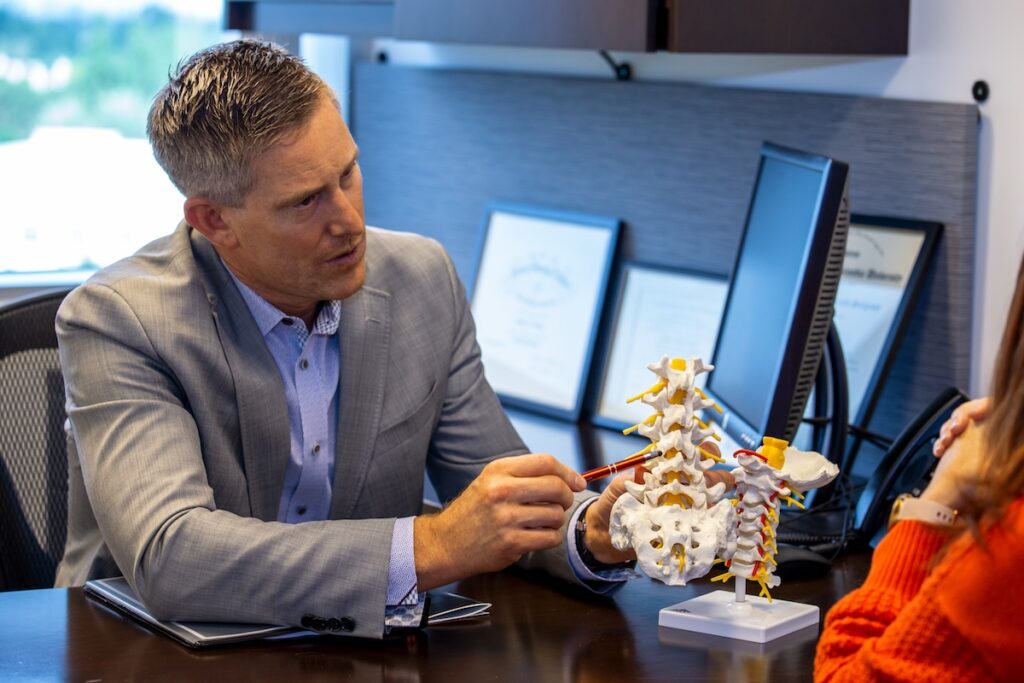
Flatback syndrome is a complex spinal deformity where the lower spine loses its natural curve, causing a person to feel pitched forward. This can lead to chronic pain and significantly impact quality of life.
What to Expect from Revision Spine Surgery: A Patient’s Guide
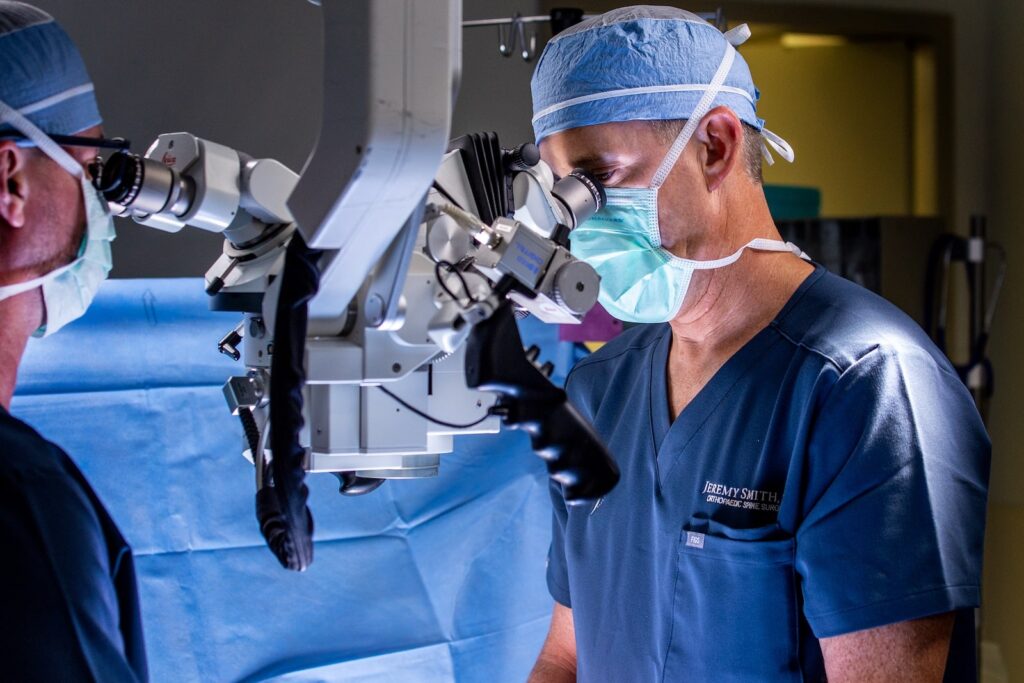
The decision to undergo a second or even third spine surgery can be difficult and filled with anxiety. Revision spine surgery is a procedure performed to correct or improve upon a previous spinal surgery.
Is Surgery the Only Option for My Cervical Kyphosis?

A diagnosis of cervical kyphosis, an abnormal forward curve in the neck, can bring many questions, chief among them being whether surgery is inevitable. For many patients, the answer is no—surgery is not the only option and is typically considered when non-surgical treatments have proven ineffective. As a fellowship-trained Orthopaedic Spinal Surgeon, Dr. Jeremy Smith specializes in creating personalized treatment plans to restore spinal alignment and improve patients’ quality of life.
Pseudarthrosis Revisions – Addressing a Failed Spinal Fusion

Spinal fusion is a well-established procedure designed to stabilize the spine and relieve chronic pain by fusing two or more vertebrae. While most patients experience significant improvement, a complication known as pseudarthrosis—or “false joint”—can sometimes occur, leading to continued pain and instability.