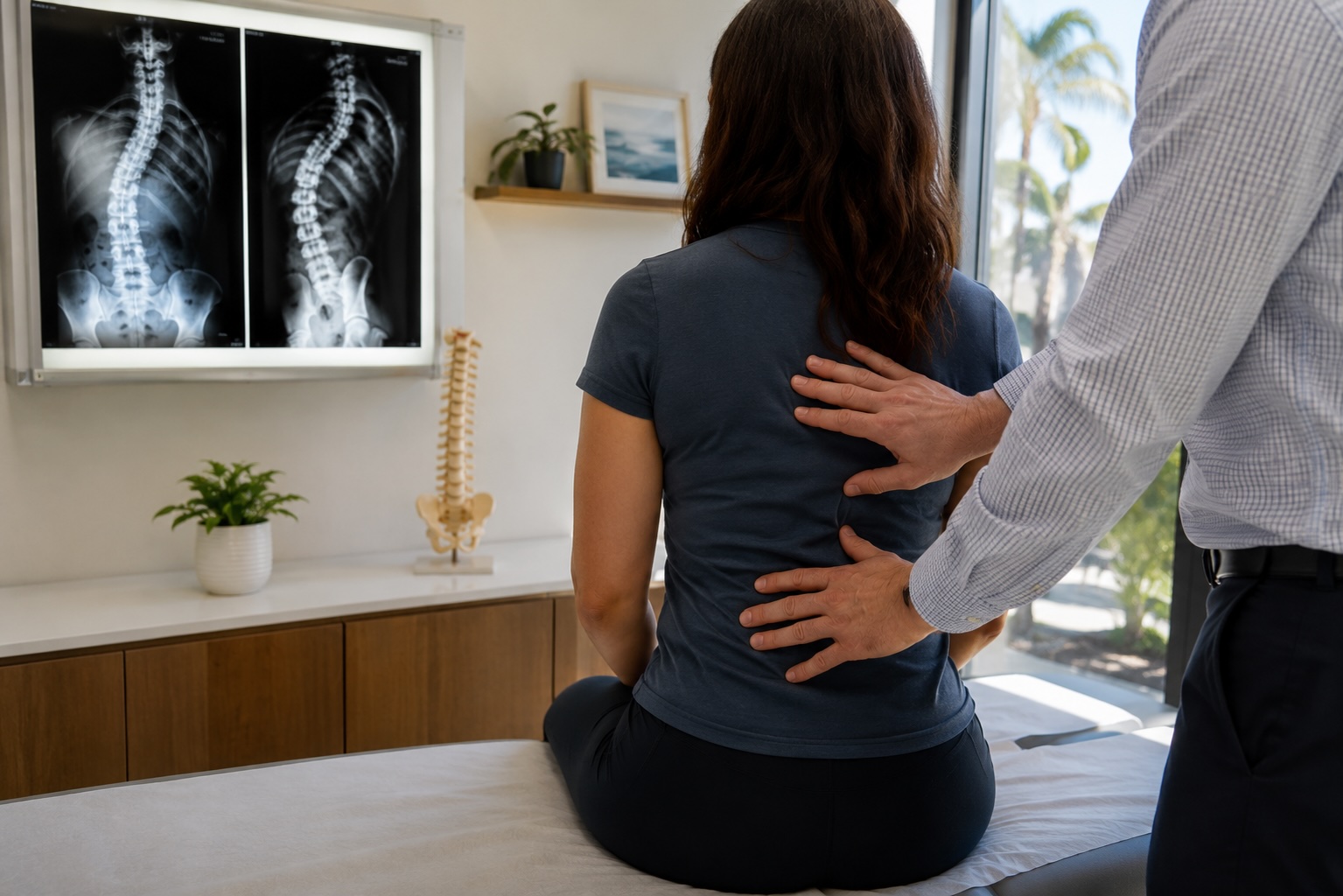



When patients visit a spine specialist, the conversation often revolves around imaging results or surgical options. However, a surgeon’s intervention is only one part of the equation. The spine is a living, mechanical system that reacts to every hour of your day. To achieve long term relief, you must look at the lifestyle habits that either support or degrade your spinal integrity.
Recognizing When Lifestyle Habits Are Affecting Your Spine
Lifestyle factors often show up as subtle symptoms before they become a bigger problem. Many patients assume their discomfort is “normal aging,” but the pattern of pain and stiffness can be a clue that daily habits are adding strain faster than the body can recover.
Common signs to watch for include:
- Worsening stiffness or pain after long periods of sitting
- Frequent back or neck pain with minimal activity
- Reduced mobility or difficulty maintaining upright posture
- Persistent fatigue, poor sleep, or increased muscle tension
If these signs are showing up regularly, it usually means the spine and supporting muscles are being overloaded or under-supported. The good news is that identifying the pattern early often makes it easier to reverse the trend with targeted changes.
The Impact of Modern Posture
Our bodies were not designed for the sedentary nature of modern life. When you spend hours hunched over a laptop or a smartphone, you are performing a repetitive stress injury in slow motion. This constant forward lean creates a mechanical disadvantage for the cervical spine. By keeping your screens at eye level and ensuring your ears stay aligned over your shoulders, you can significantly reduce the structural strain on your neck and upper back, preventing “tech neck” as well.
Exercise and Movement As Structural Support
Physical activity is often the best medicine for a deteriorating spine. A sedentary lifestyle leads to the atrophy of the deep stabilizer muscles that act as a natural brace for your vertebrae. When these muscles weaken, the bony structures and discs are forced to absorb 100% of the impact from your daily movements. Engaging in low impact activities like swimming or walking helps maintain the "360 degree" core strength necessary to protect your nervous system.
The Role of Sleep and Hydration
Your spine is actually taller in the morning than it is at night because your discs spend the day losing fluid under the pressure of gravity. Deep, restorative sleep is the only time your spine is fully unweighted and able to rehydrate. If you are not getting 7 to 9 hours of quality sleep, your discs never fully refill their fluid levels. Furthermore, sleep position matters. Sleeping on your stomach can force the neck into a strained, rotated position for hours. We typically recommend side or back sleeping with a pillow between or under the knees to maintain a neutral alignment.
Smoking and Spinal Suffocation
Many patients are surprised to learn that smoking is a leading risk factor for chronic back pain. From a clinical perspective, your spinal discs are the largest structures in the body without a dedicated blood supply. They rely on the diffusion of nutrients from nearby vessels to stay healthy.
Nicotine is a potent vasoconstrictor that restricts this blood flow and effectively suffocates the discs. This prevents them from repairing daily wear and tear, leading to accelerated Degenerative Disc Disease and slower recovery times after any necessary procedures.
Nutrition and Systemic Inflammation
It is important to view your spine as a biological system that requires specific fuel. A diet high in processed sugars and trans fats can trigger systemic inflammation, which sensitizes the nerves in the spinal canal. This can make a minor bulging disc feel like a catastrophic injury. Prioritizing an anti-inflammatory diet rich in Omega 3 fatty acids can help manage the chemical environment around your nerves and potentially reduce the intensity of chronic pain.
How to Improve Lifestyle Habits for Better Spine Health
Improving spine health rarely requires drastic changes. In most cases, the best results come from consistent, manageable adjustments you can sustain over time. The goal is to reduce daily stress on the spine while improving the strength, flexibility, and recovery capacity of the surrounding tissues.
Actionable ways to support better spine health include:
- Gradual weight loss through balanced nutrition and steady movement, which can reduce load on the discs and joints
- Smoking cessation support and nicotine alternatives to improve blood flow and tissue healing
- Consistent sleep routines paired with ergonomic adjustments, such as the right pillow height and a supportive mattress
- Regular physical activity tailored to your condition and age, focusing on low impact movement and stability
- Stretching routines designed to keep the spine flexible, especially the hips, hamstrings, and thoracic spine
Even small improvements can add up. For example, adding short walking breaks during the day, adjusting your workstation height, and being consistent with basic mobility work often makes a noticeable difference within weeks.
When to Consult a Spine Specialist
Lifestyle changes can be powerful, but they are not always enough on their own, especially when nerve compression, structural instability, or advanced degeneration is present. If symptoms are progressing or limiting your function, it is important to get a clear diagnosis rather than continuing to self-rehab blindly.
Consider consulting a spine specialist if you notice:
- Pain that persists despite improved habits
- Radiating pain into the legs or arms
- Numbness, tingling, or weakness
- Difficulty walking or standing for long periods
- Chronic pain affecting quality of life or daily function
A specialist can confirm whether symptoms are coming from the discs, joints, nerves, or spinal alignment, and help you understand which conservative steps are most likely to work. When needed, they can also discuss advanced spine treatments that target the root cause, not just the symptoms.
Taking the Next Step
Spine health is not about a single perfect choice. It is about the cumulative effect of how you sit, move, and eat. By making small, intentional adjustments to your daily routine, you can build a foundation of health that lasts a lifetime.
If you’re dealing with persistent neck or back pain, schedule a consultation with Dr. Jeremy Smith, a board-certified spine surgeon serving Orange and Irvine, to get a clear diagnosis and a plan tailored to you.