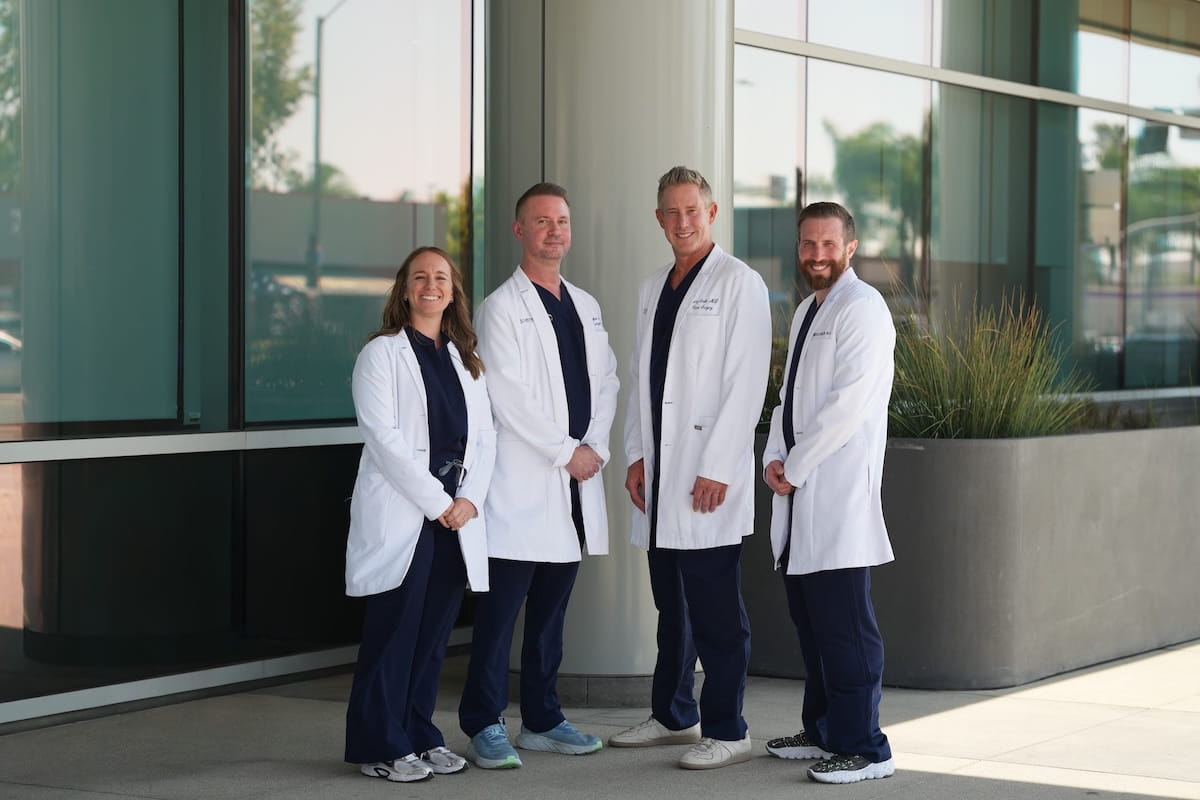



Spinal stenosis surgery is often performed to relieve pressure on the spinal cord or nerves, helping to reduce pain and restore function. While the procedure can bring significant relief, recovery takes time and proper care. Understanding what to expect after surgery helps patients feel more confident and better prepared for the healing process. As a fellowship-trained orthopaedic spine surgeon, Dr. Jeremy Smith provides comprehensive care and guidance for every stage of spinal stenosis recovery, from the hospital stay to the return of full mobility.
Understanding Spinal Stenosis
Spinal stenosis occurs when the spinal canal narrows, putting pressure on the spinal cord or nerve roots. This compression can lead to chronic pain, numbness, tingling, or weakness, especially in the back, legs, or arms. When conservative treatments such as physical therapy, medications, or injections no longer provide relief, surgery may be recommended.
The specific procedure depends on the severity and location of the stenosis. Common surgical options include:
- Laminectomy or laminotomy: Removing part of the bone or tissue pressing on nerves to create more space.
- Spinal fusion: Stabilizing the spine by joining two or more vertebrae together.
The type of procedure performed influences the recovery process and determines how soon patients can return to normal activity.
The Immediate Post-Surgery Phase
Immediately after surgery, patients are monitored in a recovery area for several hours as anesthesia wears off. Nurses and medical staff assess pain levels, mobility, and vital signs. Some patients go home the same day, while others remain in the hospital for one to three days depending on the complexity of the surgery and overall health.
During this time, pain medication is prescribed to manage discomfort, and patients receive instructions for wound care and safe movement. Early mobility, such as short, assisted walks, is encouraged to reduce stiffness and the risk of blood clots.
The First Few Weeks of Recovery
In the first few weeks at home, it’s normal to experience soreness, fatigue, and gradual improvement day by day. Following post-operative instructions carefully is essential to prevent complications and promote healing. Setting up a supportive home environment can make a big difference, such as arranging sleeping areas on the main floor, using walking aids, and removing tripping hazards.
Short, frequent walks throughout the day are recommended over prolonged rest. Gentle movement supports circulation and helps patients regain strength without overexerting the spine.
Physical Therapy and Rehabilitation
Physical therapy plays a crucial role in long-term recovery after spinal stenosis surgery. Most patients begin therapy within a few weeks once initial healing has occurred. A tailored rehabilitation plan focuses on:
- Improving flexibility and range of motion
- Strengthening the core and back muscles
- Enhancing balance and stability
- Building endurance for daily activities
Progress may feel slow at first, but consistency is key. Under professional guidance, patients typically see steady gains in strength and mobility.
Typical Recovery Timeline
Every patient heals differently, but most spinal stenosis recovery journeys follow a similar pattern:
- Weeks 1–2: Focus on rest, wound care, and gentle walking.
- Weeks 3–6: Begin physical therapy; increase activity gradually.
- Months 2–3: Improved mobility and reduced pain; many return to light work or hobbies.
- Months 6–12: Continued strengthening and endurance building; most patients achieve full recovery.
Factors such as age, procedure type, and overall health can influence the pace of healing.
Pain Management and Activity Restrictions
Managing pain effectively helps patients stay active and recover more comfortably. In the early stages, prescription medications or over-the-counter pain relievers may be recommended, gradually tapering as healing progresses.
Dr. Smith emphasizes avoiding bending, twisting, or lifting heavy objects during early recovery. Proper posture, supportive seating, and ergonomic adjustments at home or work can help protect the spine and prevent reinjury.
Nutrition and Lifestyle Support for Healing
Nutrition plays a significant role in the body’s ability to heal after surgery. A balanced diet rich in lean protein, calcium, and vitamin D supports tissue repair and bone health. Staying hydrated, getting adequate sleep, and maintaining a healthy weight further enhance recovery.
Patients are also encouraged to avoid smoking and limit alcohol intake, as both can delay healing and affect bone fusion success.
Possible Side Effects and When to Contact Your Surgeon
Some temporary side effects are common after spinal surgery, including mild incision discomfort, stiffness, or temporary numbness in the legs. However, it’s important to monitor for warning signs such as:
- Persistent or severe pain
- Fever or drainage from the incision site
- Loss of bladder or bowel control
- New or worsening neurological symptoms
Any of these issues should be reported to your surgeon immediately. Regular follow-up visits allow Dr. Smith to assess healing progress through imaging and clinical evaluations.
Long-Term Outlook After Spinal Stenosis Surgery
Most patients experience significant pain relief and improved mobility following spinal stenosis surgery. By staying active, maintaining proper posture, and continuing core strengthening exercises, many individuals are able to return to their normal routines with better comfort and confidence.
Dr. Smith’s individualized approach to post-operative care ensures that each patient receives the support and guidance needed to achieve the best possible outcome.
Schedule a Consultation
If you’re preparing for or recovering from spinal stenosis surgery, expert guidance can make all the difference. Dr. Jeremy Smith provides personalized care plans for each patient to ensure the best outcomes possible. Schedule a consultation in Orange or Irvine today to discuss your recovery plan and long-term spine health.